Posts

Showing posts with the label encyclopedias

Let the Research Begin! - Reading Review Blog Post #2
Image
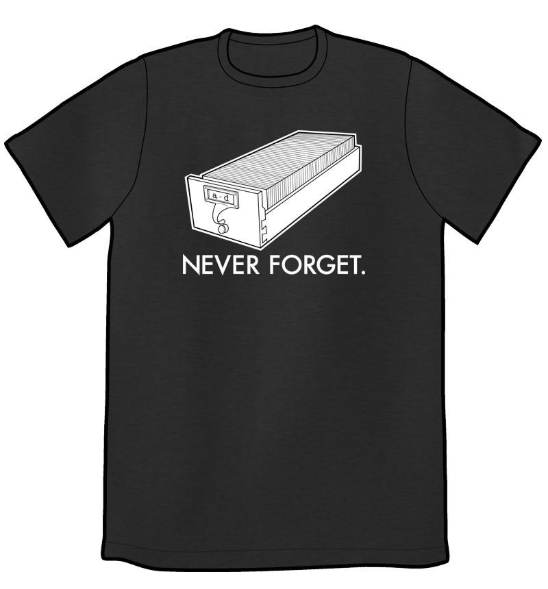
I am old enough to clearly remember using a card catalog when working on research projects. Library research has changed dramatically since I was in elementary school. Back in the 80s, when flipping through the cards in the catalog, the only books I would have seen would have been library books that had been selected by a trained librarian. Nowadays, students searching on the internet are likely to be overwhelmed with resources of varying quality and reliability. A trained teacher librarian can teach information literacy skills that will help students find what they need and assess the information they discover. I have spent time studying this topic in previous courses (see my symbaloo webmix on digital literacy created a year ago), but I feel that it is a vital topic that is worth revisiting.  UBC Library By searching for information literacy on the UBC Library website, I was overloaded with over 350,000 journal articles, nearly 325,000 newspaper articles, 125,00...

Finding the information you need in the digital age

Image
Theme 3 looked at a variety of reference works, from databases to dictionaries, from encyclopedias to atlases, and how to select reliable and current versions of each of these works in order to build an effective reference collection in your library. When thinking about this topic and reflecting on this course as a whole, I have realized that digital reference resources are more and more prevalent. Even the venerable Encyclopedia Britannica stopped printing encyclopedias six years ago and has completely transitioned to online publications. In light of this evolution of the reference collection, a large part of our role as teacher librarian will be to teach students the skills to navigate large amounts of online information. Riedling (2014, p. 116) states, "there will be an increased need for experts, school librarians with skills in searching, accessing, using, and evaluating information efficiently and effectively. In addition, students will now, more than ever before, need to b...